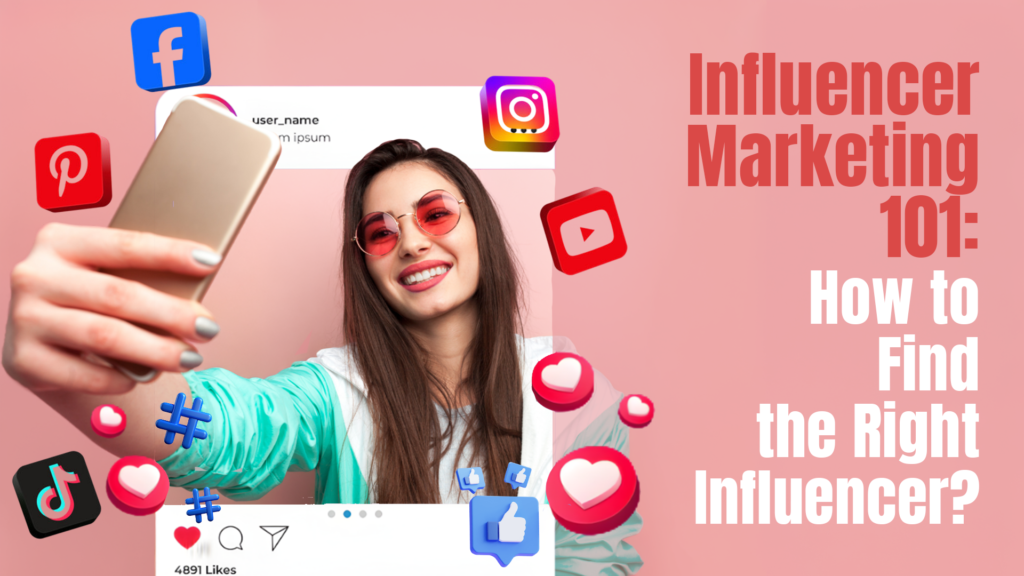
Many brands often lose money on influencer marketing. Have you ever thought why? The reason for failure isn’t investing in influencer marketing but relying on an outdated influencer marketing strategy. While some businesses build trust and visibility through well-organised marketing strategies, others chase follower counts and vanity metrics. One mismatched collaboration can damage credibility overnight. Today, success belongs to brands that understand how to align authenticity, relevance and ROI. This proves the requirement of a real influencer for marketing.
Why Influencer Marketing Fails Without a Strategy?
Most influencer campaigns don’t fail because of poor creators. They fail when brands overlook the basics. When goals are not clear or when you do not understand your audience, influencer marketing turns into a series of unsuccessful attempts. As a result, ROI is hard to justify and causes teams to lose confidence in the channel.
A solid influencer marketing strategy removes guesswork and delivers results. It turns influence into brand purpose, builds creator credibility and enhances audience trust. This happens only when you find the right influencer along with the right strategy.
6 Strategies to Help You Find the Right Influencer
Before moving into execution, it is important to remember that a successful influencer marketing strategy is built through structured planning. From defining goals and identifying the right audience to discovering creators and building long-term relationships, each step is important. The strategies below outline how to find a suitable influencer for your business.
1. Goals, Audience and Clarity
Every effective influencer marketing strategy begins with confusion. Look for your wants. Whether it is brand awareness, app installs, or direct sales. Set a clear objective; otherwise, even the best influencer collaboration will feel directionless. Next, define your audience persona in detail. This goes beyond age and gender and includes:
- Interest
- Online behaviour
- Platforms used
- Content preferences
An influencer is only valuable if their audience mirrors your ideal customer. Once this is clear, your next step is to create an ideal influencer persona. This profile should highlight niche relevance, the content’s tone, and the level of credibility. For example, a B2B SaaS brand may opt for LinkedIn creators with educational content. On the otherhand, a D2C brand might focus on short-form video creators on platforms like Instagram or Facebook.
2. Choose Reach With Purpose
An ideal influencer marketing strategy recognises that bigger is not always better. Influencers exist across different tiers. Each tier serves a different campaign goal. Nano and micro influencers often deliver higher engagement and trust.
This makes them powerful for niche targeting and conversions. Macro and mega influencers provide visibility and social proof, but require larger budgets and tighter brand alignment. The idea is not to choose a tier blindly. To find a real influencer, it is important to align influencer size with campaign purpose and ROI expectations.
3. Discover Influencers Where They Already Create Value
Native discovery is one of the most effective parts of an influencer marketing strategy. Monitor industry and location-specific hashtags (e.g., #watchtok or delhiblogger) to find niche creators, and use geo-tags to identify local partners. Scan ‘explore’ or ‘for you’ pages to identify trending content and creators whose aesthetic matches your brand.
You should also conduct competitors analysis. Research which influencers other competing brands use and analyse who those influencers follow to ‘lookalike’. This method allows you to replicate past successes and scale your reach.
4. Leverage Advanced Influencer Platforms and Marketplaces
To scale beyond manual searches, your influencer marketing strategy must leverage specialised tools for data-driven discovery and management. Marketplaces like HashtagPaid and inBeat serve as essential platforms to browse vetted niche profiles. Full-site platforms, including Sprout Social, Flowbox and Upflence, provide AI discovery, brand fit scores and automated outreach.
5. Vet for Authenticity and Engagement Quality
A successful influencer marketing strategy requires vetting partners for authenticity. Prioritise engagement to follower ratios over total followers to avoid bots. Ensure content aligns with brand values and request media kits to verify audience demographics, growth trends and performance. This will guarantee an impactful and genuine connection.
6. Prioritise Long-term and Value-Based Partnerships
A well-organised influencer marketing strategy priortises long term and value-based collaborations over one-off promotions. Ongoing collaborations foster deeper agreement to protect both parties. Define deliverables, timelines and fair compensation to ensure high-impact brand storytelling and mutual success for everyone involved.
Conclusion
Influencer marketing is no longer experimental. It is a mature channel that rewards preparation. Those who invest time in building a structured influencer marketing strategy gain trust, relevance and long-term ROI that compounds over time. If you want to move beyond trial and error. Learn how to design, execute and scale influencer campaigns with confidence. The Wabbithire Influencer Marketing course is built for those who want clarity, frameworks and real-world execution. Click the link to know more.
Follow Wabbithire for more!